
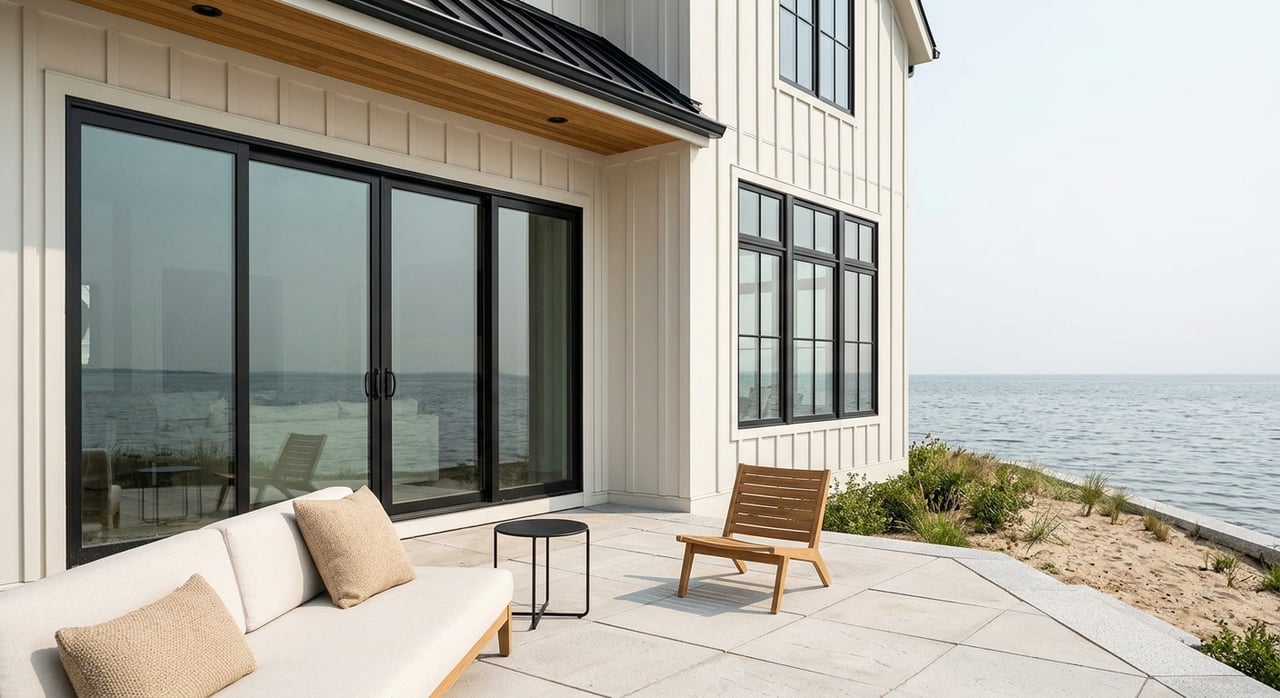
If you are shopping for waterfront property in Grand Haven, you are probably looking for more than a house. You are looking for a daily connection to the water, easy access to the beach or boating, and a home that fits how you actually want to live. Understanding what stands out in this market can help you spot the right listing faster and avoid homes that look great online but fall short in person. Let’s dive in.
Waterfront lifestyle drives demand
In Grand Haven, waterfront appeal starts with location and experience. The city’s setting along Lake Michigan, the Grand River, and nearby Spring Lake makes water access, views, and outdoor recreation a major part of the value story.
Local tourism and planning materials both point to the same theme: the waterfront shapes how people experience Grand Haven. Buyers are often drawn to the beach, dunes, harbor, boardwalk, and the easy connection between downtown and the water.
That means many buyers are not just comparing square footage or finishes. They are asking how the property supports a lake-town lifestyle and whether it feels connected to everything that makes Grand Haven special.
Water access matters most
One of the first questions buyers ask is simple: do you get direct access to the water, or just a view? That difference can shape both daily use and long-term value.
In this market, buyers often pay close attention to whether a home is lakefront, channel-front, riverfront, or near a marina. Listings that clearly explain that relationship tend to stand out because buyers want to know exactly what kind of waterfront experience they are getting.
Boating features get attention
For many buyers, access to boating is a major priority. A private dock, boat lift, launch access, or close proximity to marina slips can make a listing far more compelling.
Grand Haven’s Municipal Marina is the closest public marina to Lake Michigan on the Grand River, and Harbor Island offers launch access to the main channel. For buyers who want to spend time on the water, nearby boating infrastructure can be almost as important as the home itself.
Walkability adds value
Buyers also look for homes that connect easily to the places they already picture using. In Grand Haven, that often means the beach, boardwalk, downtown, Harbor Island, and the Waterfront Trail.
The Grand Haven Waterfront Trail stretches about 2.5 miles from Lake Michigan to Harbor Island and Coho Drive along the Grand River. When a listing offers a strong combination of water setting and easy access to these local amenities, it tends to match what many buyers have in mind.
Views shape first impressions
Waterfront buyers notice the view right away. In Grand Haven, that might mean open Lake Michigan water, the channel, the harbor, wooded dunes, or shoreline scenery that changes with the season.
Grand Haven is known for its beach setting, lighthouses, and dune landscape. Michigan’s shoreland guidance also notes that sand dunes are a defining shoreline feature along west-facing Lake Michigan coastlines, which adds to the visual appeal buyers often want.
Outdoor spaces need to feel usable
A great waterfront listing helps you imagine how you would enjoy the setting every day. Buyers often respond strongly to decks, patios, porches, shoreline seating areas, and spaces that make entertaining or relaxing outside feel easy.
That is why outdoor presentation matters so much. The best waterfront homes do not just show the water from a window. They show how the home opens up to it.
Curb appeal is not just street-facing
In Grand Haven, some homes are seen from both the road and the water. The city’s master plan notes that development along Harbor Drive is highly visible, including from the water, which means exterior appeal can matter from more than one angle.
For buyers, that often translates into a broader question: does the property feel well cared for from arrival to shoreline? A polished exterior, tidy outdoor spaces, and a clean visual approach all help reinforce confidence.
Listing photos carry more weight
Most buyers now start online, and the listing package often determines whether a home makes the short list. Zillow’s 2025 buyer research found that floor plans were the most important listing feature for 33 percent of prospective buyers, followed by high-resolution photos at 26 percent and 3D or virtual tours at 20 percent.
That matters even more in a niche market like Grand Haven waterfront, where inventory can be limited. Realtor.com’s Grand Haven Waterfront market page showed only 4 active listings as of April 2026, so small differences in presentation can have an outsized effect.
Buyers want the full picture
For a waterfront property, buyers want visuals that explain the setting fast. They are usually looking for front and rear exterior shots, deck or patio views, shoreline photos, dock or launch access, and wide images that show where the home sits in relation to the lake, channel, or harbor.
A floor plan can also be especially helpful when the main draw is how the house connects to the outdoors. Buyers want to see whether the kitchen, living area, and bedrooms make sense for the way waterfront living actually happens.
Aerial views help buyers understand location
Aerial imagery can be especially useful in Grand Haven because it gives context that standard photos cannot. It helps buyers understand the lot, the shoreline, nearby marinas, outdoor space, and how close the property is to the beach, downtown, or the boardwalk.
That big-picture context helps buyers decide whether a home fits their goals before they ever step inside. It also reduces confusion about whether the property offers direct frontage, partial views, or simply close proximity to the water.
Accuracy builds trust
Strong marketing matters, but realism matters too. National research has warned that overly polished listing images can create expectations that do not match the actual property.
In waterfront real estate, this is especially important. Buyers want clear, honest visuals that show the true relationship between the home and the water, because trust can disappear quickly when photos oversell the setting.
Buyers look for usable interiors
Even when the view is the headline, the home still has to function well. Buyers often notice whether the interior supports gathering, hosting, storage for outdoor gear, and easy movement between inside and outside spaces.
That is one reason staging continues to matter. The 2025 home staging report found that buyers’ agents said staging helps people visualize a property as a future home, and some sellers’ agents reported a 1 to 5 percent increase in the dollar value offered when staging was used.
Layout matters more than luxury alone
A waterfront home can have beautiful finishes and still miss the mark if the layout feels disconnected from the setting. Buyers often respond best when common spaces, windows, and outdoor access work together naturally.
In practice, that means homes often show better when curtains are open, windows are clean, and rooms are arranged to support views rather than block them. Buyers want to picture morning coffee, easy summer dinners, and a clear path from the living room to the deck or shoreline.
Clutter can weaken the waterfront story
Because waterfront buyers are so focused on setting, visual clutter tends to stand out more. Too much furniture, crowded docks, messy shoreline equipment, or blocked sightlines can make a home feel less serene and less functional.
The strongest listings usually feel simple, bright, and easy to read. That makes it easier for buyers to focus on the home’s connection to the water rather than the distractions around it.
Shoreline records can influence confidence
In Grand Haven, buyers are often thinking beyond the view. They may also ask about shoreline work, maintenance history, and whether any past changes required permits.
Michigan EGLE notes that Great Lakes shorelands are dynamic and that some work in High-Risk Erosion Areas or Critical Dune Areas requires permits. For buyers, that makes documentation an important part of the decision process.
Buyers may ask detailed shoreline questions
If a property includes shoreline improvements, dock work, dune work, revetments, or additions near the shore, buyers may want to review those records. Clear documentation can help answer questions early and reduce uncertainty.
This does not mean every waterfront listing has the same shoreline issues. It simply means buyers in this category tend to be more detail-minded because the setting itself is such an important part of ownership.
Timing affects how listings are perceived
Waterfront homes tend to show best when buyers can fully experience the setting. Research on timing points to spring as the strongest overall seller window, with April and late May both showing strong seasonal performance nationally.
In Grand Haven, that timing often lines up well with how buyers emotionally respond to the area. Beach season, boating activity, green landscapes, and clearer outdoor use all help the waterfront lifestyle come through more strongly.
Spring and summer visuals have an edge
Photography guidance recommends planning exterior shoots for spring or summer when possible. That is especially relevant in Grand Haven, where beach access, docks, patios, and shoreline spaces are a big part of what buyers are shopping for.
A waterfront property may technically be available any time of year, but the listing often becomes more compelling when outdoor features are easy to see and easy to imagine using.
What this means for Grand Haven buyers
If you are searching for waterfront property in Grand Haven, it helps to look at each listing through a practical lens. Beyond the headline photos, focus on access, accuracy, outdoor usability, interior flow, and any shoreline details that could affect ownership.
The best waterfront listings usually make those answers easy to find. They show you not just that the home is near the water, but how it lives with the water every day.
If you want help sorting through Grand Haven waterfront options, understanding what makes one listing stronger than another, or building a plan around your goals, connect with Emily Garcia. Emily Garcia Homes offers high-touch guidance, strong local market insight, and polished marketing perspective for buyers across West Michigan’s lake communities.
FAQs
What do Grand Haven buyers want most in waterfront listings?
- Buyers often focus on direct water access, views, boating features, walkability to places like the beach or downtown, and outdoor spaces that feel usable.
What is the difference between water access and a water view in Grand Haven listings?
- A water view means you can see the water, while water access usually means the property offers direct frontage or a more immediate way to reach the water, which many buyers value more highly.
Why do floor plans matter for Grand Haven waterfront homes?
- Floor plans help you see how the interior connects to decks, patios, docks, or beach paths, which is important when the home’s value is tied closely to outdoor living.
Why are shoreline records important for Grand Haven waterfront properties?
- Buyers may want documentation for shoreline work, dune work, docks, or other alterations because Michigan EGLE notes that some shoreland activities require permits.
When do Grand Haven waterfront listings usually show best?
- Waterfront homes often present most strongly in spring and summer, when the beach, marina, trail, and outdoor living features are easier to see and appreciate.
