
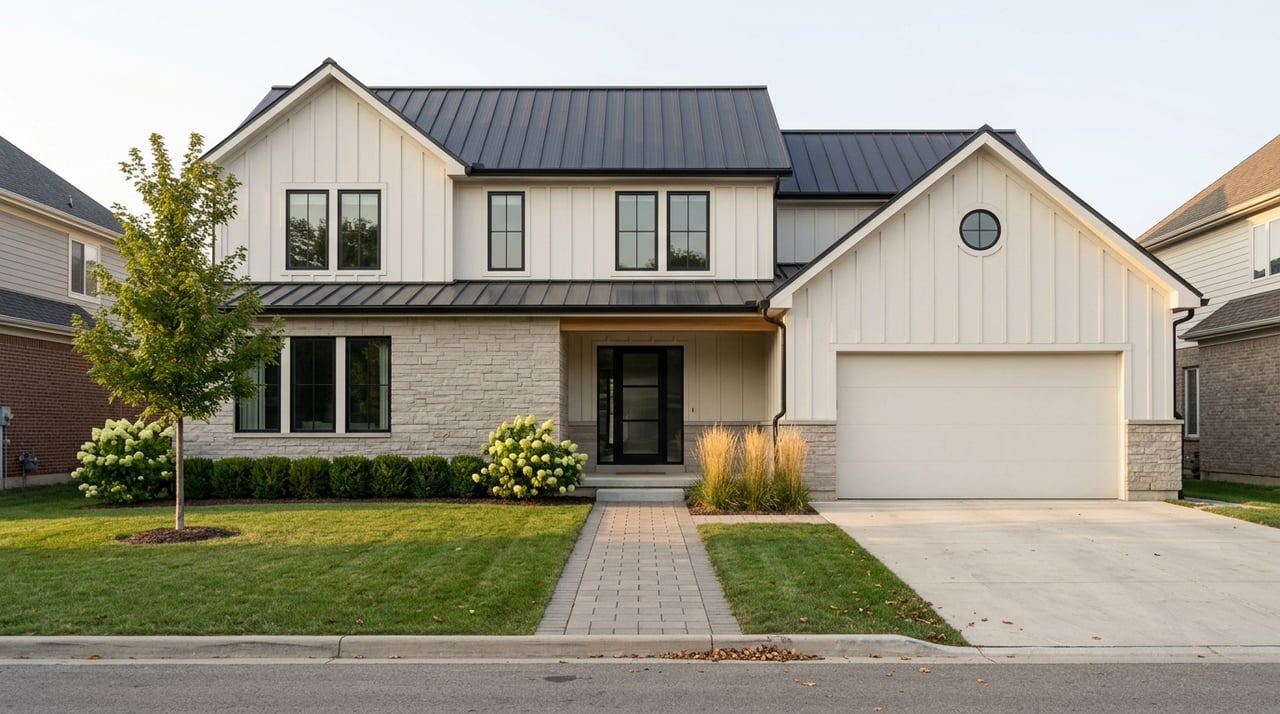
Dreaming about a place near the water is the fun part. Budgeting for what that second home will actually cost to own in Grand Haven is what protects your peace of mind later. If you want a clearer picture of taxes, insurance, seasonal upkeep, and condo costs before you buy, this guide will help you plan with more confidence. Let’s dive in.
Start With Full Carrying Costs
A Grand Haven second home should be treated like a full carrying-cost property, not just a mortgage payment. Your budget should include property taxes, insurance, utilities, maintenance, and any association dues from day one.
One of the biggest tax details to understand is Michigan’s Principal Residence Exemption, or PRE. That exemption applies only to a true principal residence and can exempt up to 18 mills of local school operating tax, so a second home generally does not qualify.
That means your tax bill on a Grand Haven second home may be meaningfully different from what you pay on a primary home. Before closing, it is smart to verify the current parcel tax bill and exemption status through the city or Ottawa County records.
Know The Grand Haven Tax Calendar
In Grand Haven, summer property taxes are levied July 1 and due without penalty by September 15. Winter property taxes are levied December 1 and due without penalty by February 14.
If you are planning a seasonal budget, those dates matter. They can affect your cash flow, especially if you already carry costs on a primary residence.
Budget For Utilities And Seasonal Services
Utility costs in a second home are easy to underestimate because some charges continue even when the home sits vacant. In Grand Haven, the FY2025-26 fee schedule lists monthly ready-to-serve utility charges of $6.30 for smaller meters, with higher charges for larger meters, plus usage-based charges.
For seasonal owners, shutoff and restart costs can also add up. The same city fee schedule lists a utility turn-off and turn-on charge of $50 during business hours and $230 after hours.
If you plan to winterize the property each year, those service fees should be part of your annual ownership worksheet. They are small compared with a mortgage, but they are not one-time costs if you open and close the house seasonally.
Don’t Forget Yard And Leaf Care
If your property is in the city, yard care is still an ongoing cost even if you are only in town part of the year. Republic Services provides curbside yard-waste pickup from April 1 through December 31 for eligible city customers, and the city also offers spring and fall drop-off events.
That setup is helpful, but it also confirms something many second-home buyers learn quickly. Landscaping, leaf cleanup, and seasonal exterior care are recurring budget items, not occasional extras.
Plan For Insurance Based On Location
Insurance costs for a Grand Haven second home can vary based on the home itself and where it sits. Michigan DIFS says pricing may depend on construction materials, floor plan, room count, garage or carport, square footage, security devices, distance to the nearest fire department and hydrant, and loss history.
If you are financing the purchase, your lender will usually require homeowners insurance even though it is not required by law. That makes insurance shopping an early step, not something to leave until the end.
For second-home buyers near the water, flood insurance deserves separate attention. Standard homeowners insurance does not cover flood loss, and flood insurance is separate coverage.
Why Waterfront And Near-Water Homes Need Extra Review
Grand Haven’s local floodplain and sensitive-areas guidance points to real planning concerns along the Lake Michigan side of the community. These include shoreline erosion, lake-level changes, and floodplain conditions.
The city also notes that shoreline armoring can be expensive to build and maintain over time. If you are considering a waterfront or near-water property, it helps to think about flood, wind, erosion, and basement-water risks as part of one connected budget.
Even if a property is outside a high-risk flood zone, flood coverage may still be available. That matters because water exposure does not always fit neatly into a simple yes-or-no map decision.
Build A Real Winterization Budget
West Michigan weather is a major factor in second-home ownership. Nearby Holland climate normals show a January average high of 31.8 degrees and an average low of 19.9 degrees, with annual precipitation of 34.76 inches.
In practical terms, that means winter prep is not optional. A smart budget should account for heat maintenance, pipe protection, roof and gutter checks, and drainage and ice management.
If the home will sit empty for stretches, your risk planning becomes even more important. Frozen pipes, leaks, sump issues, and moisture problems can become expensive fast when no one is nearby to catch them early.
Site Care Matters Year-Round
Grand Haven’s Streets Division maintains storm sewer mains, cleans catch basins, inspects outfalls, and handles snow plowing and road salting. That public infrastructure matters, but it does not replace private property upkeep.
The city’s floodplain guide recommends steps such as minimizing impervious surfaces, preserving tree canopy, elevating structures and utilities where appropriate, and using tools like rain barrels, rain gardens, and buffers to reduce runoff. For buyers, the bigger point is simple: site conditions affect long-term ownership costs.
If you expect to do landscaping or utility work, the city also says to call Miss Dig three full working days before digging. That is one more reason to plan seasonal projects ahead instead of treating them as last-minute tasks.
Have A Local Response Plan
Owning a second home is easier when you plan not just for routine costs, but also for quick response needs. A realistic budget often includes seasonal opening and closing, gutter and leaf cleanup, sump-pump and dehumidifier service, and emergency help for frozen pipes or leaks.
Grand Haven provides an after-hours Department of Public Works contact for water and sewer emergencies. Still, if you live out of town, you will likely want a reliable local contact who can act quickly when something goes wrong.
That could mean coordinating trusted service providers before you need them. A little planning up front can help you avoid bigger stress later.
Review Condo And HOA Costs Carefully
If you are buying a condo or association-managed property, monthly dues may simplify some ownership tasks, but they should never be treated as a complete substitute for due diligence. Michigan’s condominium buyer guidance says the core documents include the master deed, subdivision plan, bylaws, and disclosure statement.
The same guidance notes that the association or management company must keep books and records showing operating expenses. As a buyer, that means you should review the current budget, reserve funding, and any history of special assessments before moving forward.
Ask What The Dues Actually Cover
For a Grand Haven second home, the practical question is not just how much the dues cost. It is what those dues pay for.
You may find that dues cover items such as exterior maintenance, snow service, dock access, beach access, or reserve contributions. You also want to understand whether the current dues seem adequate or whether they may be artificially low and setting up a future special assessment.
Michigan law also says common expenses and certain special assessments can be charged to individual units, and unpaid assessments can become a lien. Buyers also have the right to request a written statement of unpaid assessments before closing, which is an important detail to review during due diligence.
Separate Costs Into Three Buckets
One of the best ways to plan for a Grand Haven second home is to sort expenses into three groups: fixed annual costs, seasonal costs, and event-driven costs. This gives you a clearer picture of both routine ownership and surprise exposure.
Here is a simple way to think about it:
| Cost Type | Typical Examples |
|---|---|
| Fixed annual costs | Property taxes, insurance, association dues, base utility charges |
| Seasonal costs | Winterization, yard care, travel, opening and closing the home |
| Event-driven costs | Flood or storm repairs, utility shutoffs and restarts, special assessments |
This framework can make your decision-making much easier. Instead of asking, “Can I afford the payment?” you start asking, “Can I comfortably carry the whole property in every season?”
Include Lifestyle Costs Too
If your second-home plans include boating, recreation should have its own line in the budget. Grand Haven’s marina and boat-launch program lists seasonal launch passes at $75 for residents, $115 for nonresidents, and $15 per day.
That may or may not be a major expense in your overall plan, but it is part of the real ownership picture for many lake-area buyers. When you add lifestyle costs early, your budget tends to feel more accurate and less stressful later.
Buy With Eyes Wide Open
A second home in Grand Haven can be a wonderful investment in your lifestyle, but it works best when your budget matches the reality of the property. Taxes without the PRE, separate flood planning, winter weather prep, recurring exterior care, and possible condo assessments all deserve attention before you buy.
When you walk into a purchase with a clear plan for fixed, seasonal, and event-driven costs, you can enjoy the home more and worry less. If you want local guidance as you compare neighborhoods, condos, waterfront options, or year-round homes near Grand Haven, connect with Emily Garcia for thoughtful, high-touch support.
FAQs
What taxes should you expect on a Grand Haven second home?
- A Grand Haven second home should generally be budgeted without Michigan’s Principal Residence Exemption, which can affect the total property tax bill compared with a primary residence.
What utility costs matter for a Grand Haven seasonal home?
- You should plan for monthly ready-to-serve utility charges, usage-based charges, and possible turn-off and turn-on fees if you winterize and reopen the property each year.
What insurance should you review for a Grand Haven second home?
- You should review homeowners insurance and separately evaluate flood insurance, especially for properties near the shoreline, floodplain areas, or other water-exposed locations.
What maintenance should you budget for in a Grand Haven second home?
- You should budget for winterization, pipe protection, roof and gutter checks, yard care, leaf cleanup, sump-pump and dehumidifier service, and emergency response when you are away.
What should you check before buying a Grand Haven condo as a second home?
- You should review the condo budget, reserve funding, bylaws, disclosure materials, special-assessment history, and any unpaid assessments tied to the unit before closing.
