
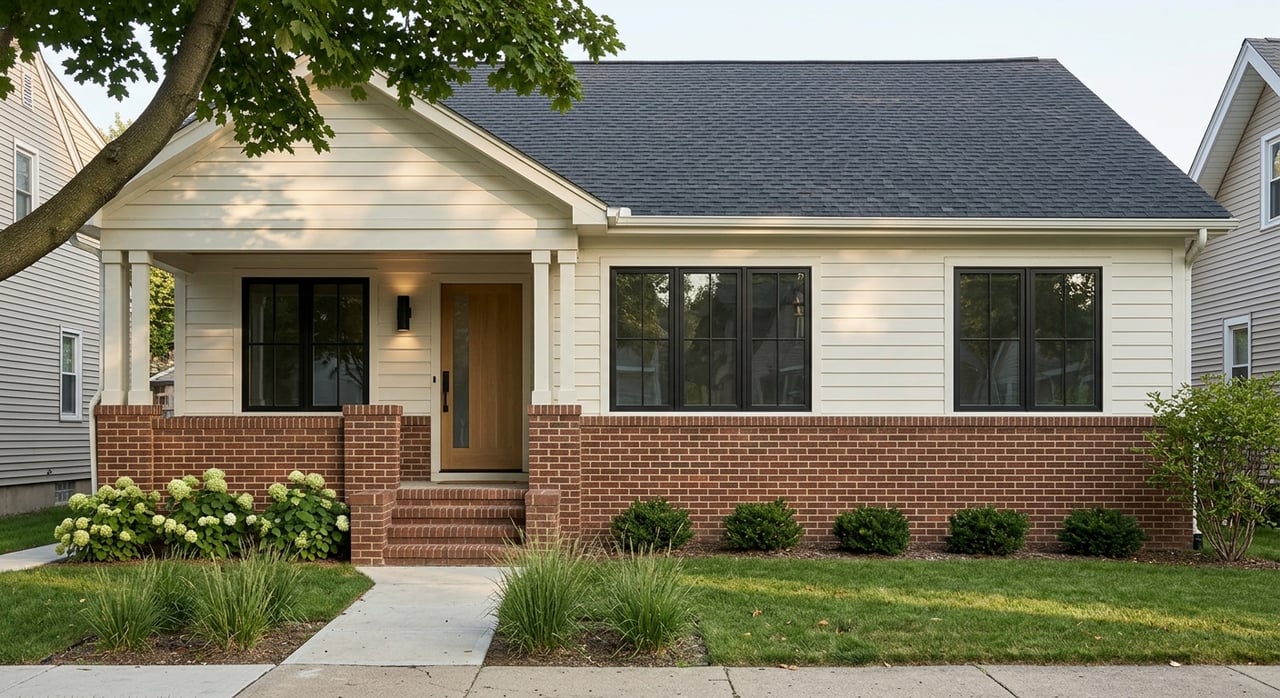
Trying to choose between a brand-new home and a historic one in Holland? You are not just picking a floor plan or a style. In this market, you are often choosing between two very different living experiences, from energy performance and maintenance needs to walkability and neighborhood character. If you want a clearer way to weigh the pros and cons, this guide will help you compare both paths in Holland and decide which one fits your daily life best. Let’s dive in.
Why this choice feels different in Holland
In Holland, the new construction versus historic home decision is especially local. The city has many historic properties recognized at the national, state, or local level, and nearly 400 residential structures sit within its four designated local historic districts. That means older homes are not a small niche here. They are a meaningful part of the city’s housing story.
At the same time, Holland is actively shaping how newer housing fits into the community. The city highlights planning tools like its Housing Development Support Program, Infill Design Review, Neighborhood Commercial Districts, and Non-Motorized Transportation Plan. Holland is also building a bike network of more than 52 miles, with many areas accessible year-round because of the snowmelt system.
So when you compare old versus new in Holland, you are really comparing neighborhood form, mobility, upkeep, and lifestyle. One home may offer a more modern building envelope, while another may put you closer to downtown, parks, and daily errands on foot.
What new construction often offers
If you are drawn to lower-maintenance living and more current building systems, new construction can be a strong fit. Newer homes often appeal to buyers who want modern layouts, updated materials, and better energy performance from day one. That can make day-to-day comfort easier to manage.
The U.S. Department of Energy notes that many older homes have less insulation than homes built today. It also points out that insulation and air sealing are among the main ways to reduce energy loss. In practical terms, that means a newer home may give you a head start on comfort and efficiency.
Energy performance and comfort
For many buyers, one of the biggest advantages of a newer home is the building envelope. A home built to more current standards may offer better insulation, tighter air sealing, and stronger overall durability. That can affect utility costs, indoor comfort, and how much work you may need to do after closing.
This does not mean every new home performs the same way. It does mean that newer construction often starts with fewer efficiency unknowns. If comfort and predictability matter most to you, that can be a real advantage.
Modern process and city review
In Holland, new construction also comes with a clearer local review trail. The city’s residential building permit application says plan review may be required, may take up to ten business days, and that no work should begin before a permit is issued. The city also notes that infill design review may apply for compliance with local standards.
For you as a buyer, that means the search should go beyond countertops and finishes. You should also ask about permit status, review timelines, and whether the home is part of an infill or redevelopment setting. Those details can shape your closing timeline and your expectations.
A reminder about convenience
It is easy to assume a newer home automatically means an easier lifestyle, but that is not always true. Holland’s 15-minute neighborhood analysis looks at access to groceries, pharmacies, regular-use businesses, sidewalks and trails, parks, schools, safe crossings, and transit. In other words, convenience still depends on the address.
A newer home may feel turnkey inside, but your day-to-day experience depends on what surrounds it. If walkability or bike access matters to you, it is worth comparing each property by how you would actually live there.
What historic homes often offer
Historic and older homes in Holland tend to stand out for charm, location, and neighborhood texture. If you are drawn to mature trees, front porches, architectural details, and central neighborhoods, older homes often deliver a living experience that is hard to recreate. In Holland, that appeal is especially strong.
The city’s historic district materials highlight architectural styles such as Greek Revival, Queen Anne, Italianate, Second Empire, Colonial Revival, Tudor Revival, and Craftsman. In areas like the Historic Neighborhood and Washington Square, city guides describe pre-1900 and early-1900s homes, sidewalks throughout the area, and close access to downtown, parks, the waterfront, and other daily destinations.
Character and central location
If your ideal home has a sense of place, this is where historic homes often shine. Downtown Holland describes itself as being in the heart of the city, next to Hope College, with more than 100 locally owned boutiques, shops, and galleries. The downtown area also includes lofts and condos, along with heated sidewalks and driveways.
In nearby older neighborhoods, the appeal often goes beyond the house itself. You may find shorter trips to downtown, established streetscapes, and a more walkable setting. For some buyers, that lifestyle value outweighs the tradeoffs that can come with an older property.
More diligence on maintenance
Older homes can be beautiful, but they usually ask more of you as an owner. The Department of Energy notes that many older homes have less insulation than homes built today. That means it is smart to think beyond paint colors and staging and pay close attention to systems, insulation, and air sealing.
If a home was built before 1978, lead-based paint is also part of the due diligence. The EPA notes that painted window sashes and frames in homes built before 1978 may contain lead-based paint, and opening and closing windows can release lead dust. HUD’s disclosure rule fact sheet says sellers of most housing built before 1978 must disclose known lead-based paint hazards before sale.
Historic district review rules
If the home is in one of Holland’s local historic districts, ownership may come with an extra review process. The city says exterior repairs, alterations, and new construction in local historic districts may require a Certificate of Appropriateness. Its design guidelines also advise homeowners to consult preservation and building staff before work begins.
That added structure is not always a negative. The same city materials say residents in historic districts may have access to state and federal tax credit programs and design-review support. Still, if you want complete freedom to make exterior changes quickly, this is an important factor to understand before you buy.
Holland lifestyle factors to compare
In many markets, this decision is mostly about house age. In Holland, it is often just as much about how you want to live.
If you picture morning walks to downtown, quick access to parks, and a streetscape with deep local character, older central neighborhoods may feel like home. If you want more modern systems, a simpler maintenance path, and a more predictable review and construction process, newer homes may feel easier.
Neither choice is automatically better. The right fit depends on whether you value efficiency and simplicity more, or location, character, and a more hands-on ownership experience.
Questions to ask before you choose
A clear comparison can save you stress later. As you narrow your options in Holland, keep these questions in mind:
- For new construction: Is the permit issued, and has any work started before approval?
- For infill projects: Does the property require local design review?
- For historic homes: Is the home in a local historic district?
- For older homes: What do the inspection, insulation, and air sealing details show?
- For pre-1978 homes: What lead disclosure paperwork is available?
- For any address: How does the location perform for daily errands, parks, sidewalks, bike access, and transit?
If you are leaning toward an older home and wondering about repair support, Holland also has a Home Repair Program. The city says eligible low- to moderate-income owner-occupants of single-family homes in Holland may qualify for up to $10,000 in assistance for items such as aging mechanical systems, roofing, siding, windows, health and safety issues, code violations, accessibility improvements, and energy-efficiency upgrades.
Which type of home fits you best?
New construction may be the better fit if you want more current materials, stronger energy performance, and fewer immediate repair questions. Historic homes may be the better fit if you care most about architecture, central location, mature surroundings, and a neighborhood feel that has developed over time.
In Holland, this decision is rarely just about old versus new. It is about what kind of daily rhythm you want, how much maintenance you are comfortable taking on, and which neighborhood setting feels most like home. When you compare options through that lens, the right choice usually becomes much clearer.
If you want help comparing specific homes, neighborhoods, or development opportunities in Holland, Emily and Dave bring a local, hands-on approach to every search. Reach out to Emily Garcia for a personalized plan that matches your goals.
FAQs
What makes historic homes in Holland different from older homes in other cities?
- Holland has a strong historic housing presence, including nearly 400 residential structures within its four designated local historic districts, plus older central neighborhoods with walkable streets, architectural variety, and close access to downtown.
What should you ask about new construction in Holland?
- Ask about permit status, plan review timing, whether any work began before permit issuance, and whether the property is part of an infill project that may require local design review.
What should you check before buying an older home in Holland?
- Review the home inspection carefully and pay close attention to insulation, air sealing, major systems, and any lead-based paint disclosures if the home was built before 1978.
What does living in a Holland historic district mean for homeowners?
- Exterior repairs, alterations, and new construction may require a Certificate of Appropriateness, so it is important to understand review requirements before planning updates.
Is a newer home in Holland always more convenient?
- No. Holland’s own 15-minute neighborhood criteria show that convenience depends on the specific address and its access to daily destinations, sidewalks and trails, parks, safe crossings, and transit.
Are there repair assistance programs for older homes in Holland?
- Yes. Holland’s Home Repair Program says eligible low- to moderate-income owner-occupants of single-family homes may receive up to $10,000 for qualifying repairs and improvements.
