
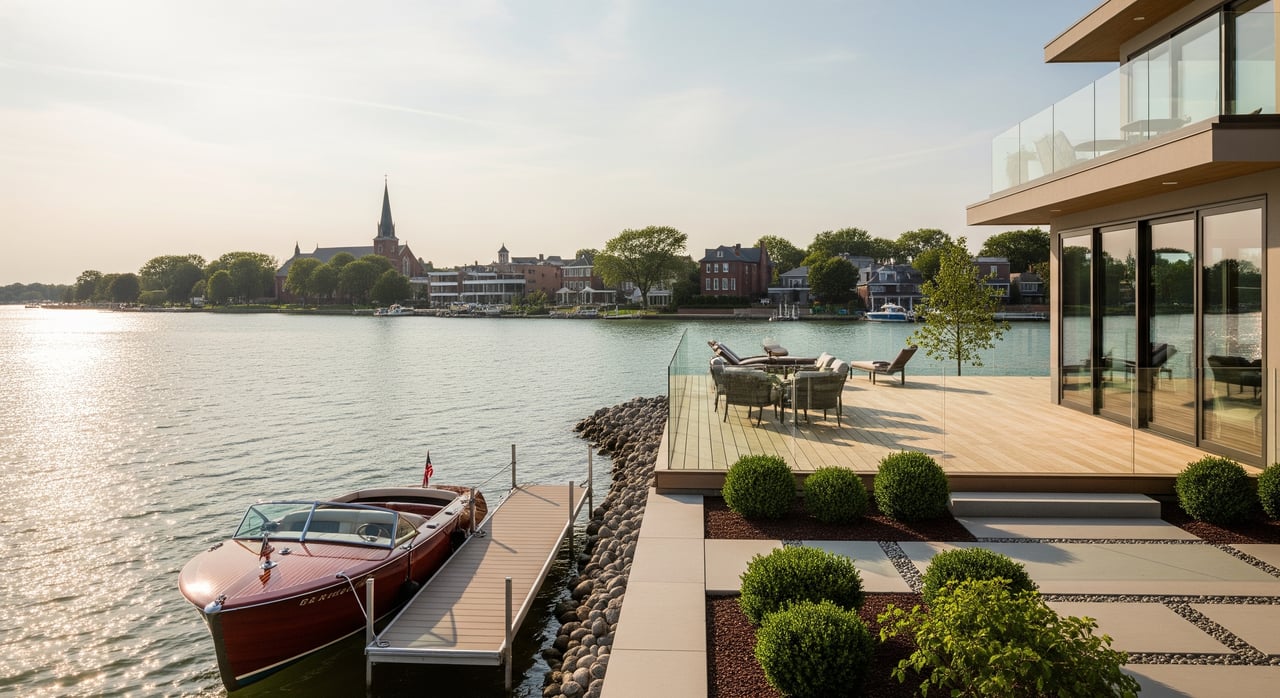
Choosing between a lakefront home and an in-town home in Holland can feel like picking a lifestyle as much as picking an address. You might picture sunsets on Lake Michigan or easy walks to coffee on 8th Street. Both paths offer great options if you understand the day-to-day trade-offs, costs, and rules that come with each. This guide breaks it down so you can match your priorities to the right Holland neighborhood. Let’s dive in.
What lakefront means in Holland
Lakefront in Holland generally refers to two distinct waterfront experiences, and each one offers a different pace and set of considerations.
Lake Michigan frontage
Direct Lake Michigan frontage sits around the Holland State Park area and along the shoreline north and south of the channel. Here, you get big-water views, wide beaches, and iconic sunsets. Summer brings more visitor traffic near public access points, which can influence privacy and parking during peak months.
Lake Macatawa and the channel
Lake Macatawa and the Macatawa River/channel offer protected inland water with marinas, canals, and homes with docks or boathouses. Water is calmer than open Lake Michigan, which many boaters appreciate. Some neighborhoods have private street access or associations that help manage privacy and use.
What in-town means in Holland
In-town usually means neighborhoods inside the City of Holland limits centered around downtown. You’ll find established residential streets, the Civic Center area, historic pockets, and newer infill communities. Most in-town homes have municipal services and walkable access to restaurants, shops, and events like Tulip Time.
Budget and market basics
Waterfront homes typically carry a price premium over comparable in-town properties due to water access, views, and the limited supply of shoreline lots. The premium varies by water body, lot size, setting, and improvements. For current pricing and inventory, plan to review recent sales through local MLS data and Ottawa County records.
Property taxes depend on assessed value and jurisdiction. Waterfront premiums can raise assessments, and rates may differ between city and township locations. If you plan to finance, expect lenders to check FEMA flood maps and require flood insurance if the home is in a Special Flood Hazard Area.
Insurance is often higher for waterfront due to wind, hail, and flood exposure. Premiums and availability can differ between Lake Michigan frontage and protected inland waterways. It helps to speak with local insurance agents and lenders early so you have clear estimates before you write an offer.
Lifestyle trade-offs to weigh
Access and privacy
- Lake Michigan: Public parks and access points near Holland State Park can mean busy summer days, more cars, and higher seasonal noise levels. Private lots may still feel the ripple effects of tourism depending on proximity to public beaches.
- Lake Macatawa/channel: Quieter waters, easier boating logistics, and potential for docks. Some areas have association controls that help maintain privacy and order.
- In-town: Shorter commutes, simpler errands, and stronger walkability to shops, dining, and services. You trade private shoreline for everyday convenience.
Maintenance and utilities
- Waterfront: Expect more exterior upkeep. Coastal exposure can accelerate wear on paint, siding, metalwork, and mechanicals. Winter ice and storms can stress docks, seawalls, and concrete. Some waterfront parcels rely on private wells and septic systems, which add inspection and maintenance needs.
- In-town: Typically lower exterior wear and fewer shoreline concerns. Many homes connect to city water and sewer, which reduces long-term system maintenance compared to private utilities.
Seasonality and crowds
- Lakefront: High summer tourism can elevate traffic and parking needs near beaches and public access. Off-season months bring quiet and fewer visitors, which some owners love.
- In-town: You benefit from festivals and downtown activity, and you may navigate more foot traffic during major events. Daily life remains steady year-round.
Rules, permits, and shoreline work
If you plan to add or maintain docks, seawalls, riprap, or dredging, expect permits through state agencies and often local approvals. Lake Michigan shoreline typically has stricter coastal and dune protections than inland waters. Floodplain rules and building elevation standards can apply in mapped areas, and short-term rental rules differ by city or township. Always confirm zoning, rental allowances, and permit paths with the City of Holland or the relevant township before you commit.
Resale and long-term value
Waterfront homes hold lasting appeal because the supply of shoreline is limited, but they can have higher carrying costs and a narrower buyer pool. Selling can be more seasonal as lake-focused buyers concentrate activity in spring and summer. In-town homes serve a broader range of buyers who value walkability and daily convenience, which can support steadier resale patterns across the year.
Quick decision guide
Choose lakefront if you want:
- Daily water access, boating, and expansive views.
- Room for a dock, slip, or boathouse where allowed.
- A quieter off-season and a vibrant summer lifestyle.
- To budget for higher maintenance, insurance, and potential shoreline work.
Choose in-town if you want:
- Walkable access to downtown, restaurants, shops, and services.
- Municipal water and sewer in most cases.
- Shorter commutes and year-round convenience.
- Lower maintenance compared with coastal exposure and broader resale appeal.
Due diligence checklist for buyers
Use this list to focus your inspections and questions as you compare properties:
- Flood zone and insurance: Verify whether the property sits in a FEMA Special Flood Hazard Area and get flood insurance quotes early.
- Shoreline and erosion history: Ask for records of seawalls, revetments, dredging, or emergency stabilization. Confirm any existing permits.
- Structure and systems: Order a thorough inspection with special attention to foundations, moisture intrusion, salt or wind effects, and freeze-thaw impacts.
- Docks and bulkheads: Inspect dock, slip, seawall, and any boathouse. Ask for maintenance history and permit documentation.
- Utilities: Confirm whether the home uses municipal water/sewer or private well and septic. Schedule septic inspections and water testing when applicable.
- Environmental: Ask about water quality advisories and any known shoreline contamination history.
- Use rules: Review HOA bylaws, deed restrictions, and local ordinances for docks, boat storage, and short-term rentals.
- Taxes and costs: Check assessed value, jurisdiction, and typical utility and maintenance expenses.
- Market activity: Review recent neighborhood sales, seasonality, and days on market with your agent.
A closer look at daily life
Boating and recreation
- Lake Michigan: Best for open-water boating, beach days, and sunsets, with conditions that can change quickly.
- Lake Macatawa/channel: Easier protected boating, kayaking, and fishing, plus more homes with private docks.
- In-town: Parks, paths, and city events at your doorstep, with less reliance on the car for daily needs.
Parking and traffic
- Lakefront near public access: Plan for seasonal parking strategies and guest logistics in summer.
- In-town: Expect more street activity during festivals, with the benefit of walking to events.
How to compare two specific homes
When you narrow to a lakefront home and an in-town option, compare them line by line:
- Monthly costs: Mortgage, taxes, insurance, and estimated utilities.
- Maintenance: Exterior care, dock or seawall upkeep, and winterization needs.
- Rules: Any shoreline permits, HOA regulations, rental policies, or floodplain requirements.
- Lifestyle fit: Commutes, school access, daily errands, and seasonal rhythms.
Next steps with a local guide
Your best decision comes from property-specific data. Shoreline exposure, permit history, association rules, and utility setups can vary block to block. A local team can help you pull the right records, line up specialized inspections, and price your options with current sales.
If you’re ready to compare lakefront and in-town homes side by side, reach out. Contact Emily Garcia & Dave for a Personalized Market Plan tailored to Holland and Ottawa County.
FAQs
What defines a lakefront home in Holland?
- It usually means direct frontage on Lake Michigan or on Lake Macatawa and its connected channels where homes may have docks or boathouses.
How do costs differ for Holland lakefront vs in-town homes?
- Waterfront typically carries a premium due to views and access, along with higher insurance and maintenance, while in-town often has lower upkeep and steadier carrying costs.
Do I need flood insurance for a Holland lakefront property?
- If a lender finds the home in a FEMA Special Flood Hazard Area, flood insurance is usually required; confirm with your lender and insurer early in the process.
Are utilities different for waterfront vs in-town homes?
- Many in-town homes connect to municipal water and sewer, while some waterfront parcels use private wells and septic systems that require inspections and ongoing maintenance.
What permits are needed for docks or seawalls in Holland?
- Shoreline work like docks, riprap, and seawalls often requires state permits and sometimes local approvals, with stricter protections on Lake Michigan than inland waters.
How does seasonality affect living near Holland State Park?
- Expect more summer traffic, parking pressure, and visitor activity; fall and winter are typically quieter, which many lakefront owners enjoy.
