
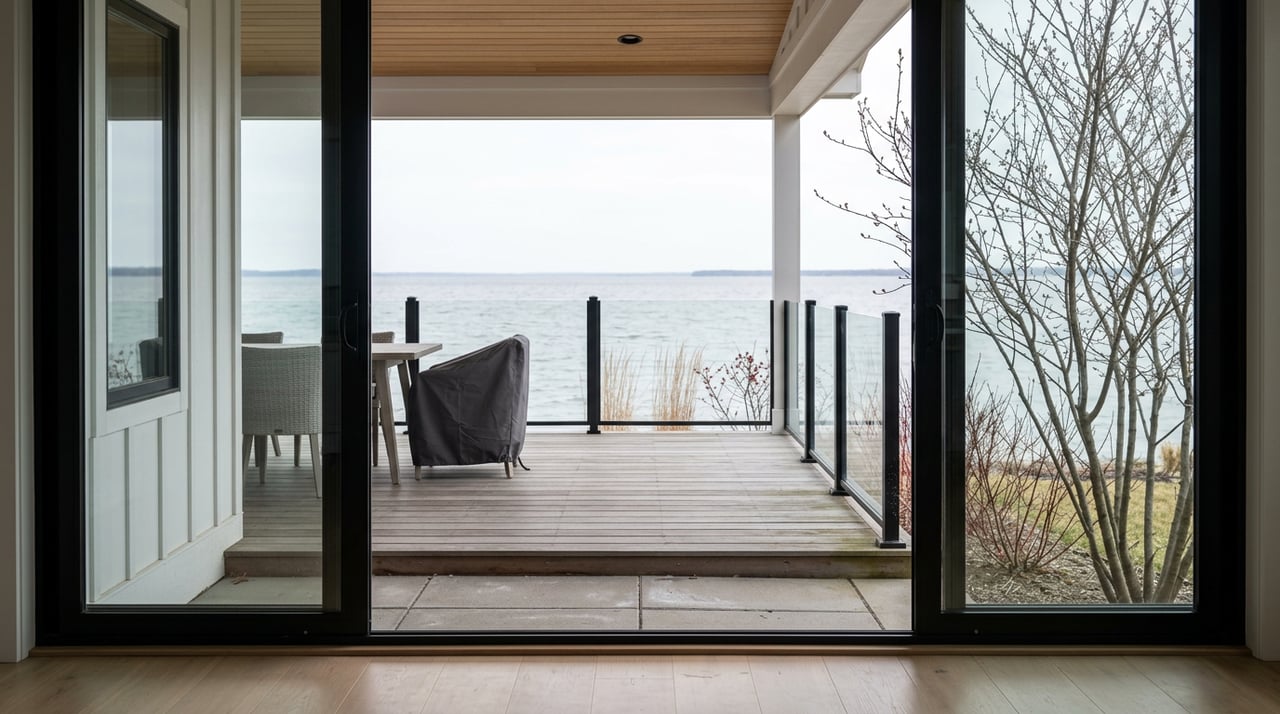
Wondering what Grand Haven’s waterfront really feels like in July compared with January? If you are picturing breezy sunsets, glassy fall mornings, and snow-dusted piers, you are on the right track. In this guide, you will learn how each season shapes daily life on Lake Michigan, what to expect from the water, and how to plan your homeownership routine so you can enjoy it with confidence. Let’s dive in.
Summer on the water
Summer is high season. Beaches, the state park campground, marinas, and the riverfront boardwalk hum with activity. The city’s signature Coast Guard Festival brings big crowds and nightly waterfront energy in late July and early August. If you love people-watching and evening pier walks, you will fit right in.
Weather is warm and comfortable. July mean highs often reach the upper 70s F, and on-shore breezes can make the beach feel a touch cooler in the afternoon (local climate averages). The lake itself lags behind the air, then turns inviting in mid-summer. Peak swim season is typically July and August, when Lake Michigan surface temperatures often hit the high 60s to low 70s F (Grand Haven water temperature trends).
Expect a morning-and-evening rhythm. Sunrise and sunset are prime for walks on the pier or boardwalk. Midday is busiest for beachgoers and boat traffic. If you plan to keep a boat, the municipal marina offers guest facilities and seasonal operations; review the city’s municipal marina guide for slips, amenities, and policies.
Shoulder seasons: spring and fall
Spring and fall are quieter, with peaceful boardwalk strolls and open tables at local spots. Water warms slowly in spring, so you might bundle up for the beach even when the air feels mild. Early fall can deliver calm, warm days and vivid sunsets, followed by faster-changing weather as autumn systems arrive (climate patterns).
Service hours shift too. Small shops, rentals, and tour operators often scale back outside of peak summer, especially midweek. If you are considering a second home, plan one summer visit and one shoulder-season weekend to compare the vibe, traffic, and access.
Winter by the lake
Winter brings a calm, locals-first pace. Expect cold temperatures, occasional lake-effect snow, and strong winds. The pier, state park, and boardwalk take on a different life with photography, quiet walks, and some hardy anglers. Surfaces can be icy, so build caution into your winter routine and check the City’s beach information and advisories before heading out.
For homeowners, winter is about access and protection. You will want reliable snow removal, a tuned heating system, and a plan to prevent frozen pipes if the home sits vacant. Boating operations wind down, and marinas enter winter mode.
Lake dynamics you will notice
Ice varies year to year
Some winters bring extensive shore ice, while others leave much of the lake open. This variability shapes harbor access, shoreline hazards, and timing for marina operations. To understand recent patterns, review NOAA’s Great Lakes ice data.
Water levels, waves, and dredging
Lake levels rise and fall over years and seasons. High water paired with storm waves can accelerate dune erosion, while shoaling can affect channels. The U.S. Army Corps of Engineers maintains Grand Haven Harbor and periodically dredges navigation channels, sometimes placing sand on nearby beaches. You can learn more in the Corps’ Grand Haven Harbor factsheet. The key takeaway for owners is to expect a dynamic shoreline, not a static one.
Practical homeowner playbook
Maintenance that lasts
Coastal exposure speeds up wear on metal, paint, decks, and mechanicals. Many owners choose resilient or marine-grade materials and schedule more frequent inspections of roofs, flashings, deck hardware, and window seals. For homeowner-friendly guidance on resilient shoreline practices, explore Michigan Sea Grant.
Winterizing and seasonal vacancy
If you use the home seasonally, create a simple close-up routine:
- Drain exterior hoses and consider winterizing vulnerable water lines.
- Set the thermostat to a safe temperature to prevent freezing.
- Check attic ventilation and look for moisture issues after thaws.
- Arrange snow removal and driveway access before the first storm.
- If you boat, confirm haul-out, storage, and any winter policies with the municipal marina.
Flood risk and insurance
Low-lying parcels near the lake or Grand River can fall within FEMA Special Flood Hazard Areas. Lenders often require flood insurance for mortgages in mapped high-risk zones. Before you buy, check parcel-specific maps at FEMA’s Flood Map Service Center and consult the local floodplain office for elevation data.
Boating and slips
If a slip is important to your lifestyle, contact the municipal marina early to understand seasonal availability, guest rules, and any waiting lists. Review the city’s marina policies and amenities to plan ahead.
Considering short-term rental use
Rules vary by city and township, and they change. Many Grand Haven–area jurisdictions require some form of registration or certificate for short-term rentals. Before purchasing with rental plans, review the official ordinance for the specific parcel and contact the local planning office. For example, Grand Haven Township has published STR guidance and ordinances, including this township document.
Where to go for timely info
Beach conditions and safety
For day-of-visit swim flags, beach advisories, and water quality links, start with the City’s beach information page. Follow posted signs and avoid swimming near the pier when conditions are rough.
Grand Haven State Park details
The state park is the primary public beach and a favorite for campers, with a buoyed swim area and modern facilities. Check amenities, hours, and reservations on the Michigan DNR’s Grand Haven State Park page.
A simple planning checklist
- Decide how you will use the home: summer-only, year-round, or a mix. Water, wind, and services change by season.
- Time your swim expectations to July and August when lake temperatures are typically warmest.
- Build a maintenance budget for coastal wear on decks, siding, fasteners, and window seals.
- Create a winter plan for heating, plumbing, and snow removal. If vacant, add periodic checks.
- If boating is a must, call the municipal marina early about slips and storage.
- Verify flood maps for your parcel and factor insurance into your budget.
- If you are considering short-term rentals, confirm current rules with the appropriate city or township.
Ready to make a season-by-season plan for your move or second home search? We pair local insight with thoughtful, high-touch service to help you buy with confidence. Connect with Emily Garcia for a personalized plan tailored to how you want to live on the lake.
FAQs
When is the best time to swim in Grand Haven?
- July and August are most reliable, when Lake Michigan surface temperatures often reach the high 60s to low 70s F.
What are winters like on the Grand Haven waterfront?
- Expect cold temperatures, occasional lake-effect snow, and windy days. Piers and boardwalks can be icy, so plan for traction and check local advisories.
Does Lake Michigan freeze at Grand Haven every winter?
- No. Ice coverage varies greatly year to year, from extensive shore ice in some winters to mostly open water in milder seasons.
Do I need flood insurance for a waterfront home in Grand Haven?
- It depends on the property’s FEMA flood zone and elevation. Many lenders require flood insurance for homes in Special Flood Hazard Areas.
Can I rent my Grand Haven second home short term?
- Often yes, but rules vary by jurisdiction and change over time. Confirm current registration and zoning requirements with the local planning office.
How do I get a boat slip in Grand Haven?
- Contact the municipal marina to ask about seasonal slip availability, guest docking, waiting lists, and winter storage policies.
