
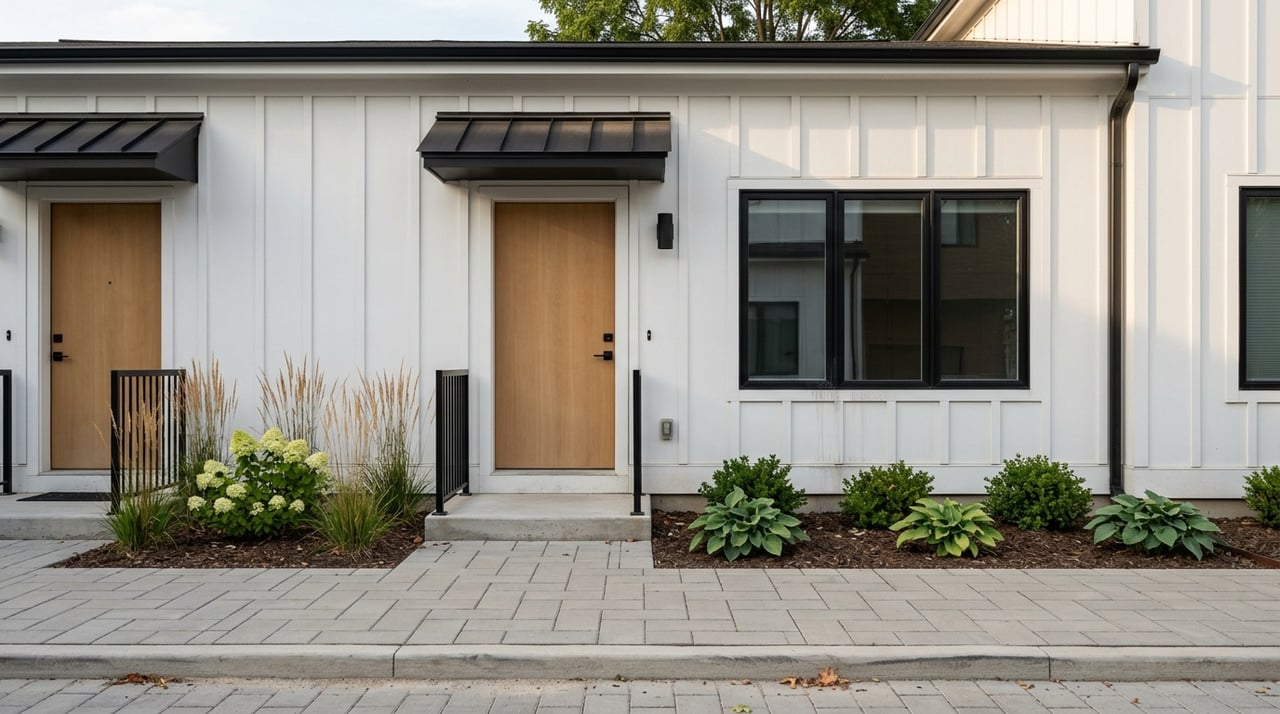
Choosing between a downtown condo with sunrise boardwalk walks or a quiet cottage with room to spread out can feel tricky. You want a second home in Grand Haven that fits how you really live, without surprise costs or red tape. In this guide, you’ll compare costs, upkeep, rental rules, insurance, and financing so you can choose with confidence. Let’s dive in.
Grand Haven second homes at a glance
In Grand Haven, a “condo” usually means a unit in a downtown or harbor-area building with shared amenities, professional maintenance, and walkable access to restaurants and events. A “cottage” means a detached single-family home that could be in town, along the channel, or on an inland pond, with private outdoor space and more autonomy.
As of early 2026, public market trackers show citywide median sale prices roughly in the $386,000 to $430,000 range, with condo listings running from under $300,000 to more than $1 million for premium harborfront units. Prices shift with season and inventory, so confirm current medians and active comps before you write an offer.
Condo vs. cottage: key tradeoffs
Maintenance and carrying costs
- Condos: Associations typically handle exterior, roof, landscaping, trash, and snow removal. You pay a monthly HOA fee for these services. Downtown waterfront buildings commonly show HOA dues in the roughly $300 to $400 per month range in recent listings. Ask for the current HOA budget, reserve study, and a list of what the fee covers.
- Cottages: You handle all exterior upkeep and winter prep. A practical planning rule is to set aside about 1% of the home’s value per year as a baseline for maintenance, with more for older homes or coastal exposure. This is a guideline, not a hard rule, but it helps you build a cushion for repairs and replacements. See a helpful overview of proactive maintenance budgeting in this guide to keeping repairs cost-effective from Arthur J. Gallagher here.
- Septic vs. sewer: Detached homes outside the city core may rely on septic systems. Plan for pumping and inspection every 3 to 5 years, with cost depending on tank size and access, as outlined in this septic maintenance primer from Forbes here. Confirm municipal sewer and water service on each property.
Privacy, space, and daily living
- Condos: Smaller private footprint, shared walls, and a social, walkable vibe. Ideal if you want to park once and enjoy shops, restaurants, and summer events without yard chores.
- Cottages: More privacy and outdoor space for grilling, lawn games, and storage. Better for larger groups who prefer extra bedrooms, a yard, and possibly private dock or garage space.
Amenities and access
- Condos: Often include secure entry, assigned parking, and low-hassle living that puts you close to the channel, festivals, and the Grand Haven experience. Summer draws like the Musical Fountain add to the energy.
- Cottages: Private amenities are all yours, from fire pits to docks, but they also come with higher ownership responsibility and potential capital projects (decks, seawalls, shoreline work).
Lock-and-leave and winter readiness
- Condos: Lock-and-leave convenience is the big win. Associations handle exterior care and snow removal, and many buildings have management in place for emergencies.
- Cottages: Plan a winter checklist if you will be away. Typical steps include shutting off and draining water lines, setting thermostats to a safe low temperature, and arranging snow removal and periodic checks. For a straightforward list of winterizing steps, review this vacation-home guide here.
Insurance and coastal risk
- Condos: You will likely carry an HO-6 policy for interior finishes, personal property, and liability. Confirm whether the association’s master policy is bare-walls or all-inclusive, and consider loss assessment coverage. A clear HO-6 overview is available here.
- Cottages: Expect a standard homeowner’s policy (HO-3 or HO-5). Waterfront or near-channel locations may require flood coverage and can have different wind and wave risks. Always check FEMA flood status and local maps for the parcel before you buy. The federal guidance on flood-hazard mapping is summarized here.
Financing and resale considerations
- Condos: Lenders review the condo project’s financials, reserves, delinquency rates, and litigation. If a project is not eligible for conventional financing, your loan options may narrow. Ask your lender early about project approval and review standards. You can read Fannie Mae’s condo project review guidance here.
- Cottages: Underwriting is usually more straightforward since there is no condo project to approve. Appraisals and insurance escrows can be more intensive for unique waterfront properties. Resale timelines can vary due to location and lot features.
Short-term rentals in Grand Haven
Short-term rentals in the City of Grand Haven are zone-dependent and registration required. The city maintains an STR program with inspections and annual registration. Before you factor rental income into your plan, check the official program page and the eligibility map for the property’s zoning and status:
- Review the city’s Rental Housing and STR program details here.
- Confirm parcel eligibility on the city’s STR eligibility map here.
Local policy evolves. In recent years, Grand Haven introduced limited allowances for STRs in certain mixed-use areas, underscoring why you should recheck zoning and program rules with the planning department before purchase. A local news summary of changes in Centertown and nearby mixed-use districts is available here. Also confirm any state and local lodging tax collection requirements before hosting.
Which one fits your plans?
Choose a condo if you want:
- Minimal upkeep and a low-hassle retreat you can enjoy on short notice.
- Walkable access to restaurants, shops, and summer events.
- Predictable monthly costs for exterior care through HOA dues.
- A building environment that may include security, parking, or rooftop/common spaces.
Choose a cottage if you want:
- Privacy, outdoor space, and flexibility for hosting friends and family.
- Room for storage, tools, water toys, or a possible dock or garage.
- More autonomy over property use and improvements.
- Willingness to manage maintenance and seasonal prep.
Smart due diligence checklist
Gather these items early, ideally before or at your first tour. They directly affect use, financing, and long-term costs.
For condos
- HOA financials: current budget, operating statement, and the most recent reserve study.
- Master insurance declarations and what the master policy covers. Review your HO-6 needs using this primer here.
- Board meeting minutes from the last 6 to 12 months, plus any notices of special assessments or litigation.
- Exact HOA dues, frequency, and included services (snow removal, landscaping, water, common utilities, reserves).
- Confirmation of condo project eligibility for conventional lending. See Fannie Mae project-review standards here.
- Short-term rental eligibility and whether a current STR certificate could transfer to a buyer. Start with the city STR program page here and eligibility map here.
For cottages
- Flood risk: FEMA flood zone status and any elevation certificates. Background on FEMA mapping is summarized here.
- Septic: records of last pump and inspection if not on municipal sewer. Plan an independent septic inspection; see maintenance guidance here.
- Utilities and services: confirm water, sewer, and storm drainage, plus private road or shoreline responsibilities.
- Winterization: prior history and a plan or quote for property checks during vacant months. A winterizing checklist is available here.
For both
- Recent comparable sales in the immediate area for accurate pricing.
- Property tax history and current millage rates. Ottawa County publishes tax rate information here.
- City STR registration requirements if you plan to host guests. Start with the program page here.
- Seller’s disclosures, plus any documentation of flood, erosion, or seawall work.
Next steps
You do not have to sort through HOA documents, flood maps, and STR rules alone. We help you match your lifestyle to the right Grand Haven home, confirm project eligibility with your lender, and pull the exact city documents you need to avoid surprises. When you are ready to tour, compare, and run real numbers, reach out to Emily Garcia for a personalized plan.
FAQs
What are typical HOA dues for downtown Grand Haven condos?
- Many downtown and waterfront buildings show HOA dues in the roughly $300 to $400 per month range in recent listings, often covering landscaping, trash, and snow removal, but confirm the latest budget and inclusions for each building.
Can I operate a short-term rental at my Grand Haven second home?
- It depends on zoning and registration; the City of Grand Haven requires annual registration and allows STRs only in eligible zones, so confirm on the city’s STR program page and eligibility map before you buy.
How much should I budget for cottage maintenance each year?
- A common rule of thumb is about 1% of the home’s value per year as a baseline, with higher budgets for older homes or coastal exposure, and you should add septic servicing if applicable.
Do Grand Haven cottages need flood insurance?
- Some waterfront or near-channel parcels may require flood coverage; check FEMA flood zone status for the specific address and review options with your insurer and lender.
Is financing a condo harder than a cottage in Grand Haven?
- Condo loans add a project review step, so confirm the building’s eligibility with your lender early; single-family cottages skip project approval but may need stronger insurance escrows for unique waterfront properties.
