
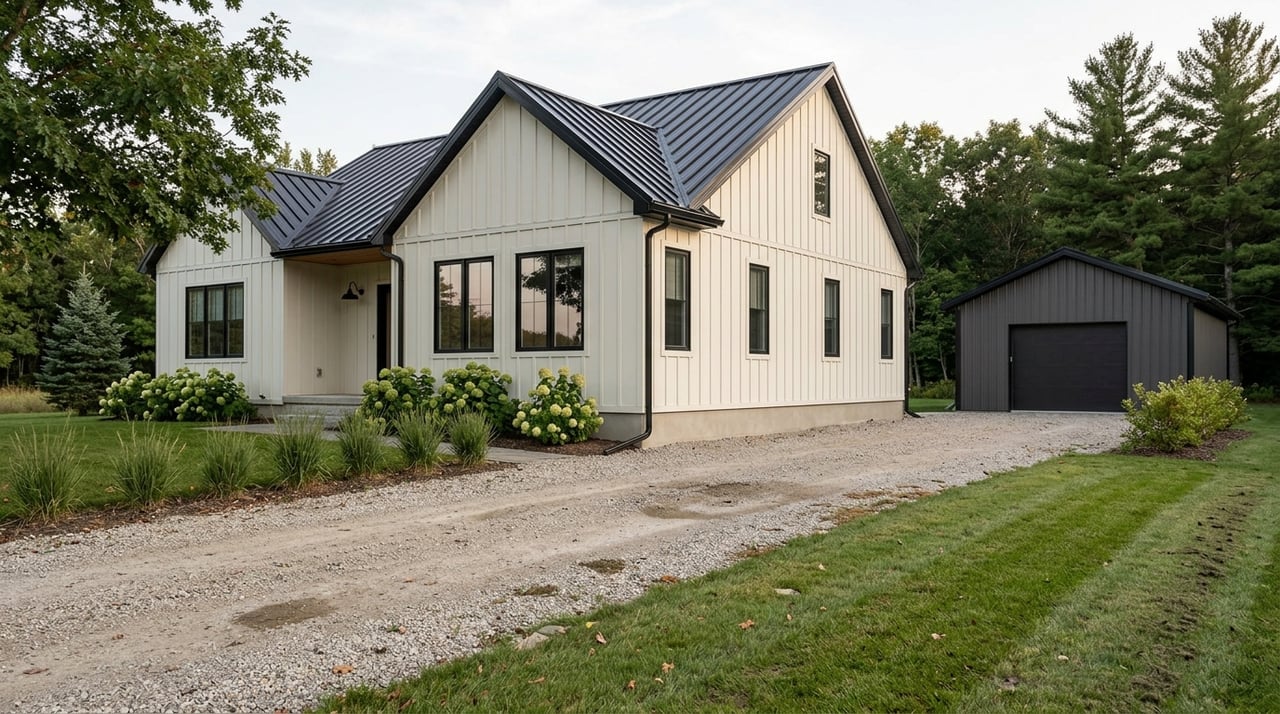
Dreaming about a few more acres near Zeeland? It can feel like the perfect next move, whether you want space for a barn, a garden, animals, or simply more elbow room. But acreage and hobby properties often come with more moving parts than a typical neighborhood home. If you understand those steps early, you can shop smarter, avoid surprises, and move forward with more confidence. Let’s dive in.
Why acreage near Zeeland is different
A larger parcel near Zeeland is not always just a house with a bigger yard. In many cases, you are buying into an active agricultural landscape with its own rules, site conditions, and approval process. Ottawa County reports 144,491 acres in farms producing more than $726 million in agricultural products, so rural property here exists within a working land-use system.
That matters because the details behind the listing can shape what you can actually do with the property. Zoning, road access, well and septic suitability, drainage, wetlands, and parcel history can all affect whether a property fits your goals. A beautiful piece of land may still require more review than buyers expect.
Start with zoning first
Before you focus on the home, the tree line, or the outbuildings, confirm the zoning district. In Zeeland Charter Township, zoning helps define how the property can be used and what kind of development is allowed. This is often the first filter for acreage and hobby-property buyers.
AG zoning has a specific purpose
The AG district in Zeeland Charter Township is meant to preserve land suited for food and fiber production, allow very low-density residential development and other rural uses, and avoid incompatible development. The ordinance also states that subdivisions and site condominiums, including open-space cluster developments, are prohibited in the AG district.
If you are looking at acreage with future split potential or a more development-focused plan, this distinction matters right away. A property that looks flexible on paper may be much more limited once you understand the zoning rules.
R-1 is a transition zone
The township’s R-1 rural residential district functions as a transition from agricultural and open-space land toward lower-density residential development. The minimum lot area is 15,000 square feet, and the minimum lot width is 100 feet.
That does not automatically mean every R-1 parcel will work for every use. It does mean the zoning intent is different from AG, so it is important to compare your plans to the actual district requirements before making an offer.
Hobby uses may not all be treated the same
Many buyers use the phrase “hobby farm” loosely, but the township ordinance gets more specific. In AG, general agricultural operations are permitted by right, while uses such as farm markets, equine boarding or training, and raising fur-bearing animals or game birds are treated as special land uses.
The ordinance also includes setback and waste-management rules for animal areas, and it prohibits wild and exotic animals. If animals or farm-related activities are part of your plan, you will want to verify exactly how your intended use is classified.
Think about outbuildings early
On acreage properties, buyers often focus on the house first and the accessory buildings second. In reality, barns, detached garages, workshops, and storage buildings should be part of your early review. They can affect both current use and future flexibility.
For lots over 5 acres, Zeeland Charter Township allows an unlimited number of accessory buildings. However, the combined accessory floor area cannot exceed 3% of the lot area.
The ordinance also says a lot cannot later be divided in a way that would make an existing accessory building noncompliant. So if you are considering a future parcel split, the location and size of existing buildings could matter more than you think.
Confirm access before you fall in love
A parcel can look ideal online and still have access problems. With acreage, road frontage and driveway standards are not minor details. They are part of whether the property is practical and, in some cases, buildable.
Frontage or private-road access is required
Zeeland Charter Township says any lot created after the ordinance must front on a public street or a private-road easement that meets township requirements. That means access is not only a title question. It is also a zoning question.
If a property relies on an easement, you will want to know whether that access setup meets township standards. This is especially important for flag lots, split parcels, and land tucked behind other properties.
Private roads have their own standards
The township regulates private roads with specific easement width requirements of 33, 55, or 66 feet, depending on how many parcels the road serves. The standards also require a dead-end turnaround, drainage measures, signage and addressing, and a recorded maintenance agreement that runs with the land.
That maintenance agreement is worth careful review. It can affect your long-term responsibilities and costs, especially if the road is shared with other owners.
Driveway permits can affect usability
The Ottawa County Road Commission requires a permit for work in county road right-of-way, including adding or improving a driveway approach. A permit is also required to construct, reconstruct, relocate, surface, or resurface a driveway or private-road approach adjoining a road in the right-of-way.
In addition, the township ordinance addresses driveway spacing, access management, and clear-vision areas. So even if a parcel appears to have road access, the actual driveway location may still be limited once reviewed.
Check well, septic, and site conditions early
For many acreage properties near Zeeland, utilities are not as simple as turning on city water and sewer. Private wells and septic systems often play a major role in whether a site works for your plans. These issues are easier to investigate before you are emotionally committed.
Vacant land suitability matters
Ottawa County requires permits for all new or repaired private wells and septic systems. The county’s Vacant Land Evaluation program is designed to preliminarily determine whether a property is suitable for a home or semi-public construction using on-site water and or septic systems.
If you are buying vacant acreage or a parcel with uncertain utility history, this can be one of the most important early checks. It helps you move beyond assumptions based on appearance alone.
Transfer evaluations can come into play
Ottawa County’s Real Estate Transfer Evaluation Program states that a septic system and or water supply evaluation must be completed before ownership transfers. That means well and septic status may be a pre-closing issue, not simply something to think about after inspections begin.
For buyers, this is a good reminder to ask these questions early in the offer process. It can shape timing, negotiation, and expectations.
Separation and water testing still matter
Michigan’s minimum isolation requirement is 50 feet between a single-family private well and a septic system. Ottawa County also reminds owners to test well water and properly abandon unused wells.
On older rural properties, these details can be especially important. A home can have charm and character, but the utility systems still need practical review.
Watch for drainage, wetlands, and earthwork limits
Not every acre on a parcel is equally usable. Low areas, wet ground, floodplain conditions, and drainage patterns can reduce where you can build, expand, or place structures. This is one of the biggest differences between shopping for a lot and shopping for a finished suburban home.
Ottawa County’s soil erosion and sediment control program requires a permit for earth changes that disturb one or more acres of land or occur within 500 feet of a lake, stream, or county drain. In addition, activities such as filling, dredging, construction, or drainage in a wetland generally require a wetland permit.
Wetlands and floodplain conditions can change the practical building envelope of a property. A wooded parcel may feel wide open in person, but certain areas may be restricted or require added review before improvements can move forward.
Understand the parcel’s legal history
Acreage buyers should look beyond the current tax ID and legal description. It is important to understand whether the parcel is raw land, a platted lot, or land created through a split. That history can affect future plans.
Land division is not the same as a plat
Michigan’s Land Division Act governs the legal splitting of unplatted land for sale or building development when the split creates at least one parcel under 40 acres. A plat is a different process tied to subdivision mapping and recording.
That difference matters if you hope to buy acreage now and create additional parcels later. The fact that land is large enough does not automatically mean it can be divided the way you expect.
County and township records help fill in the gaps
Zeeland Charter Township provides a Land Division Application, and Ottawa County’s Register of Deeds offers deed search, plat search, and split-history tools. The county notes that parcel split records go back to 1975.
These records can help answer practical questions about prior splits, recorded easements, and how the parcel got to its current form. That background is often valuable before you make a final decision.
Know which local offices to contact
When you are evaluating acreage or hobby property near Zeeland, local offices are often the best source for property-specific answers. A few calls early can save time, money, and frustration later.
Here are the offices most relevant to this process:
- Zeeland Charter Township Building & Zoning for zoning district questions, land division applications, variances, special land use, and building permit administration
- Ottawa County Department of Public Health / Environmental Health for private wells, septic permits, vacant land evaluations, transfer evaluations, and water testing
- Ottawa County Road Commission for driveway permits, private-road approaches, and county road right-of-way work
- Ottawa County Water Resources Commissioner for soil erosion, drainage, and stormwater-related permit questions
- Ottawa County Register of Deeds for recorded deeds, plats, and parcel split history
Questions to answer before making an offer
If you are serious about a parcel, a short due-diligence checklist can help you stay focused. These questions are especially useful before you finalize terms.
- What zoning district is the parcel in?
- Is your intended use permitted by right, or would it require special land use approval?
- Does the parcel have legal frontage, or does it depend on a private-road easement?
- Is there a recorded maintenance agreement for the road?
- Can the site support a well and septic system?
- Has Ottawa County completed a vacant land evaluation or transfer evaluation?
- Are there wetlands, floodplain, drainage, or earthwork limits that reduce the usable area?
- Are there recorded easements, deed restrictions, or prior parcel splits that could affect future use?
A steady approach can save you stress
Buying acreage near Zeeland can open the door to a lot of possibilities, but it also calls for a more careful review than many buyers expect. The best approach is usually simple: start with zoning, confirm access, investigate utilities and site conditions, and then verify the parcel’s legal history.
When you take those steps in the right order, you can avoid chasing a property that does not fit your goals. And when the parcel does check out, you can move forward with much more clarity and confidence.
If you are considering acreage, hobby property, or vacant land near Zeeland, working with a local team that understands both the lifestyle appeal and the due-diligence side can make the process much smoother. Reach out to Emily Garcia for thoughtful, hands-on guidance tailored to your goals.
FAQs
What should you check first on acreage near Zeeland?
- Start with the zoning district, because zoning helps determine permitted uses, development limits, and whether the property fits your plans.
Does a hobby property near Zeeland always allow animals?
- No. Zeeland Charter Township treats agricultural and animal-related uses differently depending on zoning and the specific use, so you should verify how your intended use is classified.
Can a vacant parcel near Zeeland automatically support a home?
- No. Ottawa County may require well and septic review, and a Vacant Land Evaluation can help determine whether the site is suitable for construction using on-site systems.
Why does road access matter for Zeeland-area acreage?
- Access can affect legality and usability because lots created after the ordinance must front on a public street or a qualifying private-road easement, and driveway permits may also be required.
Can wetlands or drainage issues limit usable acreage near Zeeland?
- Yes. Wetlands, floodplain conditions, drainage patterns, and soil-erosion rules can reduce the buildable area or trigger additional permit review.
How can you confirm a parcel’s split history near Zeeland?
- Ottawa County Register of Deeds records, including deed, plat, and split-history tools, can help you review prior parcel splits and recorded documents.
